

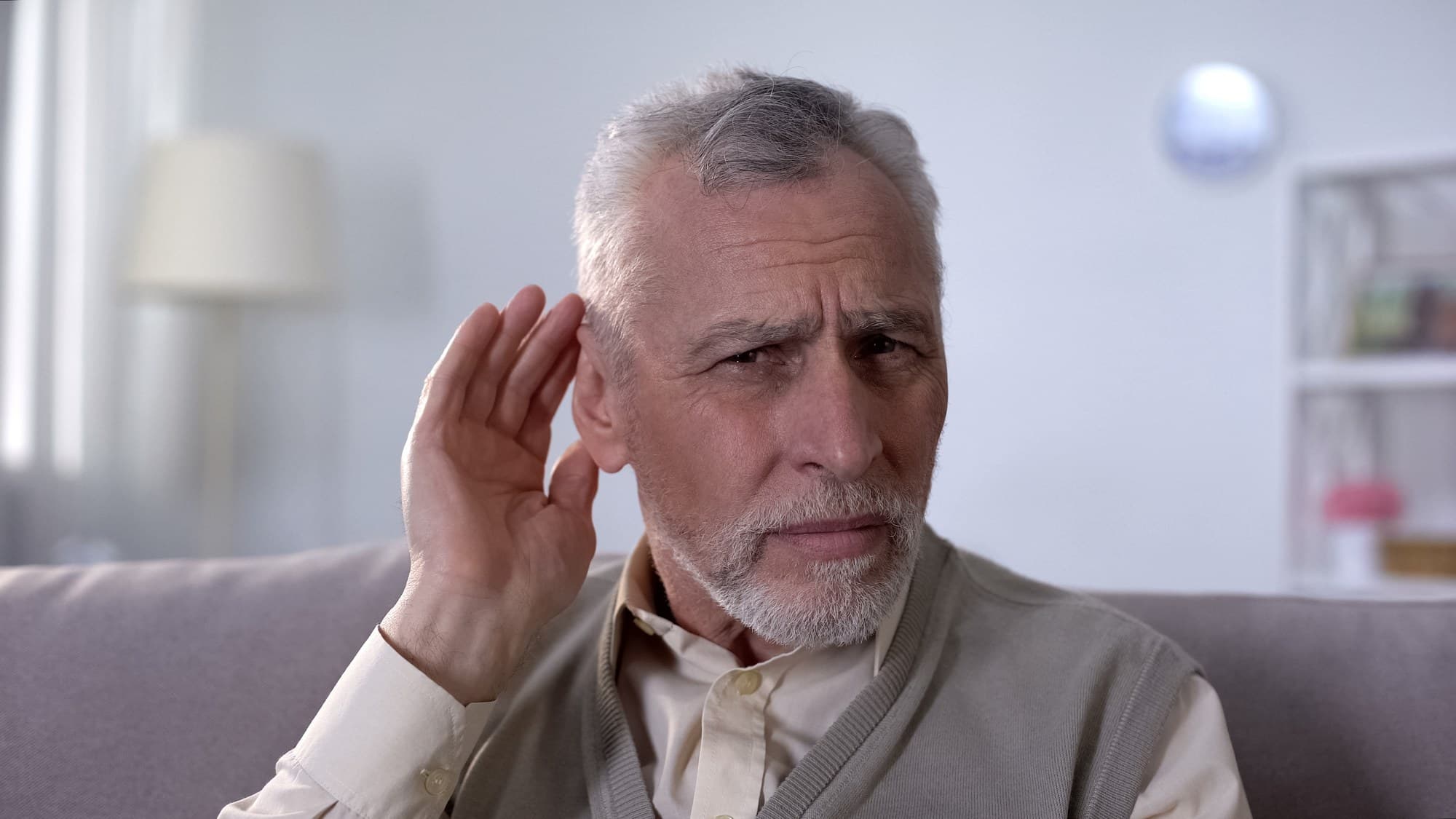
Your family is gathered around the table, talking and laughing. But your senior loved one who used to join in is sitting quietly. Maybe they leave early, turn down invitations or stop coming to family events altogether.
It can be easy to chalk those changes up to getting older. However, hearing loss could be part of the problem.
When it becomes harder to follow conversations, social situations can feel frustrating and exhausting. Over time, it might feel easier to avoid them. But pulling away can come at a cost. Research has linked both hearing loss and social isolation with a greater risk of cognitive decline and dementia in older adults.
Understanding the connection between hearing loss and dementia can help you recognize the signs and take action.
The Link Between Hearing Loss and Isolation
Imagine trying to follow a conversation when you only catch part of what everyone says. You may have to concentrate harder, watch people’s faces and try to fill in the words you missed.
After a while, that can be tiring.
Some people with hearing loss begin avoiding situations they once enjoyed because communicating takes so much effort. You may notice that your loved one:
- Turns down invitations
- Talks less during family gatherings
- Stops calling friends and family
- Avoids restaurants or other noisy places
- Gives up activities they once enjoyed
- Lets someone else do most of the talking
- Spends more time alone
Those changes don’t always happen at once. Hearing loss often develops gradually, and social withdrawal can happen slowly, too.
How Isolation Increases the Risk of Dementia
The brain needs stimulation. Conversations and everyday activities give different areas of the brain information to process.
When hearing becomes difficult, your loved one’s auditory cortex receives less sound information. If your loved one also begins spending less time with other people, other parts of their brain involved in language, memory and thinking may lack stimulation, too.
Over time, hearing loss has been associated with loss of brain volume in areas involved in processing sound and speech. Hearing loss may make your loved one’s brain work harder to understand speech while also making them more likely to withdraw from conversations and activities.
One Johns Hopkins study found that socially isolated older adults had a 27% higher risk of developing dementia over nine years than their more socially active peers.
That’s where the cycle can start. When it’s harder to hear, it’s easier to retreat from conversations and social activities. And if cognitive changes begin, staying connected can become even harder.
Recognizing the Signs in a Loved One
Hearing loss doesn’t always look like someone asking, “What?” repeatedly.
Changes in behavior may show up first. Watch for signs like:
- Turning the television or radio up louder than usual
- Frequently asking people to repeat themselves
- Misunderstanding questions or answering incorrectly
- Having more trouble following conversations in groups
- Avoiding phone calls
- Becoming quieter in social situations
- Losing interest in gatherings or activities
- Seeming unusually irritable or frustrated during conversations
- Complaining that people mumble
- Relying on a spouse or family member to answer questions
- Having issues following familiar conversations or instructions
- Becoming confused more often during everyday activities
And if you’re also noticing changes in memory, thinking or confusion, talk with your loved one’s healthcare provider. A hearing evaluation can tell you whether their hearing loss may be part of the problem.
How Hearing Loss Treatment Can Break the Cycle
Treating hearing loss won’t guarantee your loved one won’t develop dementia. But better hearing can make it easier for them to communicate, participate in conversations and connect with other people.
Researchers are also studying whether treating hearing loss may slow cognitive decline in some older adults.
The NIH-funded ACHIEVE study followed 977 adults ages 70 to 84 with untreated hearing loss. Among participants who were already at greater risk for cognitive decline, hearing treatment was associated with a 48% reduction in mental deterioration compared to the control group.
Hearing aids give the auditory cortex clearer access to sounds that have become difficult to hear. The brain can also adapt to new sound information through neuroplasticity, its ability to reorganize and form new connections. That takes time, which is one reason consistent hearing aid use is important.
Better hearing can also make conversation easier. When your loved one doesn’t have to work as hard to understand every sentence, visiting friends and going out to dinner can become enjoyable again.
That creates twofold benefits: better hearing gives their brain more sound to process while making it easier to stay socially active and connected.
Starting the Conversation
Talking with your loved one about hearing loss can be tricky, especially if they don’t think there’s a problem. How you approach the subject can make a difference.
Try these tips:
- Choose a quiet moment. Don’t bring it up in the middle of a frustrating conversation or crowded gathering.
- Focus on what you’ve noticed. Mention specific examples rather than simply saying their hearing is bad.
- Talk about connection. Explain that you want them to be able to enjoy conversations and activities they care about.
- Avoid blame. Hearing loss is common, and your loved one may already feel frustrated or embarrassed.
- Listen to their concerns. They may worry about hearing aid use and cost or a change in their independence.
- Offer to go with them. Scheduling and attending a hearing evaluation together can make taking that first step easier.
- Be patient. Your loved one might need time to accept the change.
Don’t think of the conversation as an argument to win. It’s a chance to make sure someone you care about isn’t missing conversations, relationships and experiences because hearing has become difficult.
Take the First Step Toward Reconnection
Hearing loss can influence communication, socialization and connection.
Addressing it can disrupt that cycle.
Hearing Associates provides hearing evaluations and personalized hearing care to help people live well. Request an appointment to learn how better hearing can help you or a loved one stay connected.