

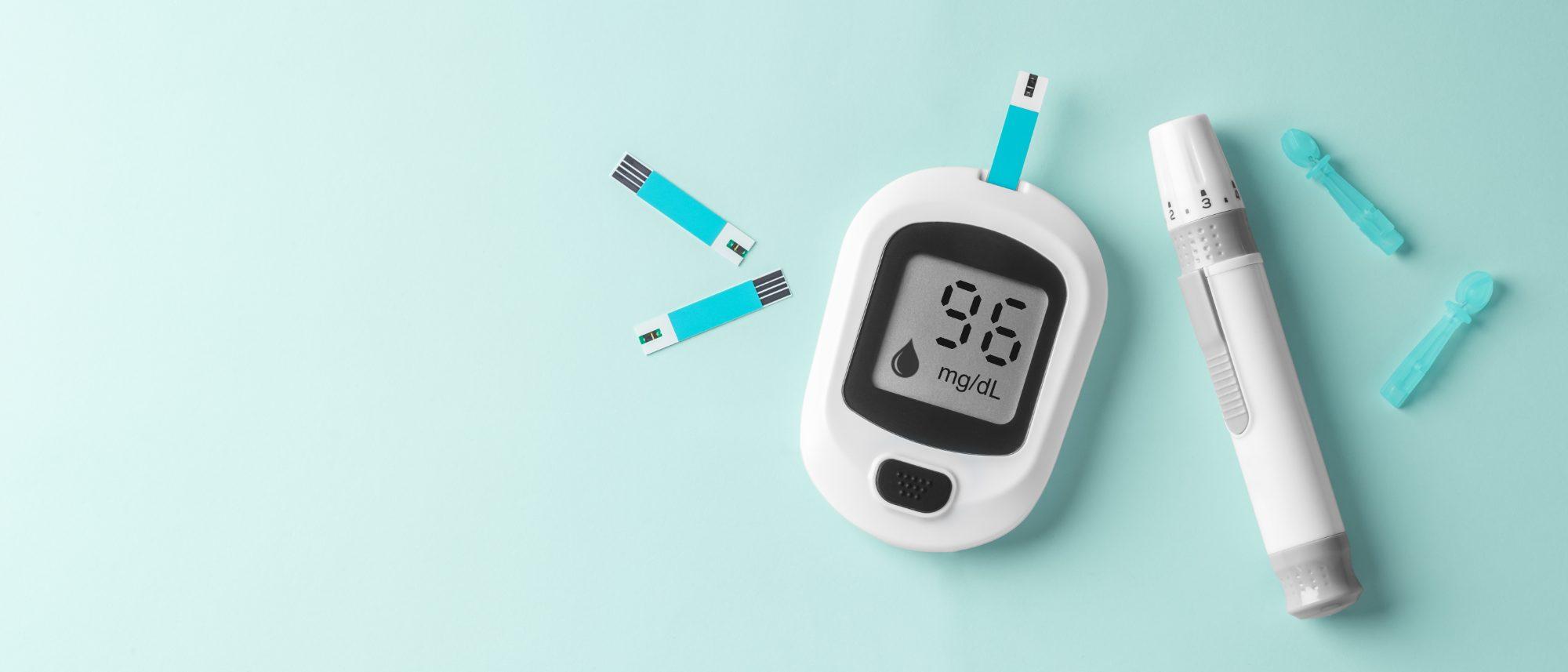
If you have diabetes, you know managing it takes vigilance and patience. Adding another health concern to the list can feel overwhelming, but it’s important to understand your risk of diabetes-related hearing loss.
November is Diabetes Awareness Month, making it the perfect time for you and your loved ones to learn how diabetes affects hearing. Just as you schedule regular eye exams and check your feet, make hearing care, especially regular testing, part of your routine.
Read on to learn more.
Does Diabetes Affect Hearing?
Research shows that people with diabetes are twice as likely to have hearing loss as those without it. Prediabetes raises your risk by 30%, too.
So, what’s the connection?
Over time, high blood sugar can damage blood vessels throughout your body, including those that supply your inner ear. The inner ear converts sound into electrical signals your brain interprets.
Signs of hearing loss include:
- Trouble following conversations, especially in noisy places
- Often asking people to repeat themselves
- Regularly turning up the volume on your TV or phone
- Ringing in your ears (tinnitus)
- Balance issues or dizziness
Because hearing loss often develops gradually, many people don’t notice symptoms until it’s advanced. It’s easy to dismiss as normal aging or set aside for other health concerns, but addressing it early is essential.
How Diabetes Can Damage Your Hearing
The tiny hair cells in your inner ear depend on a steady blood supply. When blood sugar stays high, these cells can suffer permanent damage, limiting how much sound reaches your brain. High glucose also harms nerve fibers throughout your body, including those that connect your inner ear to your brain. This can make sounds seem muffled, especially speech in noisy settings.
Certain medications, such as diuretics and high-dose aspirin, can also raise your risk. Kidney disease is common with diabetes, so your body may clear these ototoxic medications more slowly, allowing them to build up.
Why Your Hearing Health Matters
Untreated hearing loss can make diabetes harder to manage in practical ways.
You may struggle to hear your doctor explain medication doses, insulin timing or lab results. If embarrassment keeps you from asking for clarification, dangerous mistakes can happen. You may also miss important alerts from glucose monitors and insulin pumps.
Hearing loss often leads to social withdrawal, which can limit access to resources like diabetes education classes and pharmacy counseling. Diabetes can also affect the balance system in your inner ear, and combined with nerve damage in your feet, this raises your risk of falls.
How to Protect Your Hearing If You Have Diabetes
Keep blood sugar levels within your target range: Staying in range helps protect the blood vessels and hair cells in your inner ear. Check your glucose on schedule and take your medication at the same time each day.
Add a hearing test to your annual checkup: An in-person hearing test is the only way to diagnose hearing loss definitively. Your results give your audiologist a baseline to track changes over time. Schedule your hearing exam around your annual physical to build the habit.
Limit noise exposure: Loud sounds can further damage hair cells already strained by diabetes. Keep foam earplugs handy for noisy chores or loud workplaces. Limit headphone and earbud use to 60 minutes at a time at no more than 60% volume, and give your ears a break after loud events.
Understand your medications: Standard diabetes medications aren’t known to harm hearing, but some drugs taken alongside them can. Diuretics and high-dose aspirin have been linked to hearing damage. Keep an updated medication list and bring it to your hearing test. Before starting a new prescription, ask your doctor whether it could affect your hearing.
FAQs About Hearing Loss and Diabetes
Is hearing loss from diabetes reversible?
Usually not. Diabetes-related hearing loss is sensorineural, meaning it involves damage to the inner ear and auditory nerve. Hair cells can’t regenerate once damaged, which is why prevention matters. If you experience sudden hearing loss, seek care right away, because prompt treatment can sometimes restore hearing.
How often should diabetics get a hearing test?
Once a year. Hearing loss develops slowly and can be hard to notice. Annual testing helps your audiologist catch changes early, before they significantly affect your daily life.
How do Type 1 and Type 2 diabetes affect hearing?
Both types are linked to hearing loss. Most research focuses on Type 2, which often occurs alongside conditions like high blood pressure and high cholesterol that also strain blood flow to the ear. Studies on Type 1 show mixed results, though people who have had diabetes longer or whose blood sugar is harder to control may face more risk. Talk with your doctor about hearing care if you have either type.
Schedule a Hearing Test at Hearing Associates
If you have diabetes, schedule a hearing exam at Hearing Associates. With offices across northern Iowa and southern Minnesota, we make care easy to access. Not sure where to start? Try our quick online hearing test, then follow up with a comprehensive exam. Request an appointment to learn about testing, hearing aids, tinnitus treatment and more.