

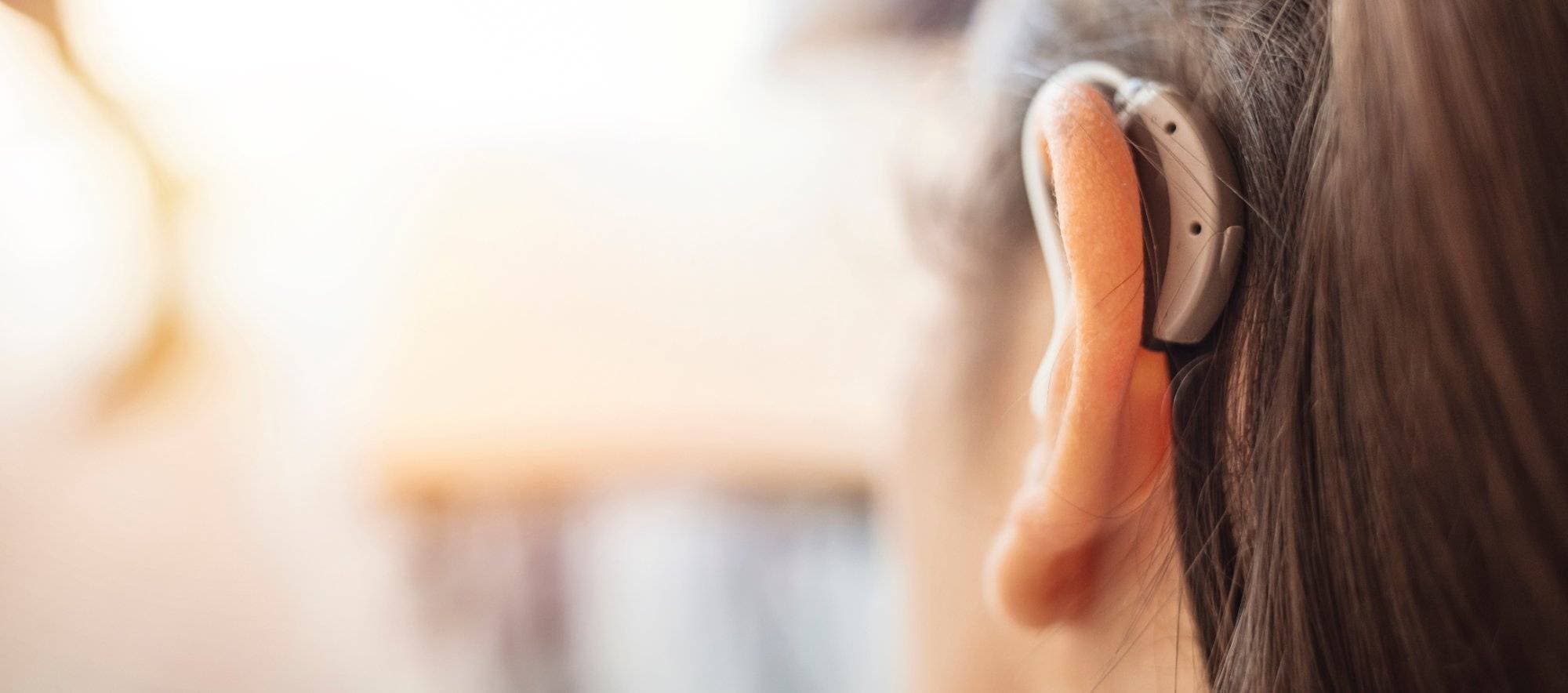
Getting hearing aids is exciting! You’ve taken the first step in your journey toward better hearing and can enjoy different soundscapes and conversations. As you get accustomed to your new devices, it’s important to keep a few things in mind:
- While hearing aids enhance sound clarity and volume, they’re not like glasses that provide instant correction.
- It takes time to get used to wearing them.
- The first week may present a few challenges.
Fortunately, your brain is highly adaptable and can rewire itself with consistent exposure to sounds. This guide will help you understand what to expect when wearing a hearing aid for the first time.
Common Experiences During the First Week with Hearing Aids
Intense sounds: Your brain has become accustomed to processing fewer and softer sounds. Wearing hearing aids elevates the volume of all the noises around you.
Listening fatigue: Because your brain is now working harder to process more stimuli, you may find yourself feeling mentally fatigued after noise exposure.
Ear soreness: It can take some time to get used to the feeling of having hearing aids in your ears, so initial discomfort is possible but typically eases with time.
Headaches: The combination of increased sound perception, overstimulation and physical adjustment could result in headaches.
Day 1 Wearing New Hearing Aids
Once you receive your new devices, your audiologist will fit them to your ears. They’ll also make programming adjustments to optimize your listening experience. You’ll likely notice all kinds of sounds you were missing.
That could include:
- The hum of your fridge
- A clock ticking
- Bird songs
- Someone chewing
- Your pet moving around
- Traffic noise
It can be a lot to take in, so increase wear time gradually and take listening breaks when necessary. Your voice may also sound slightly different to you as your brain adjusts to device processing.
What to Expect During Days 2 and 3
Getting into a routine of putting your hearing aids in first thing in the morning helps you develop mental and physical muscle memory. Your brain still needs to relearn how to filter and prioritize background sounds, so you’ll continue to hear more than you’re accustomed to. You can tweak your settings if sounds become too bothersome or consult your audiologist for recommendations. Wearing your hearing aids a little bit longer each day in different environments allows you to practice focusing on the sounds you want to hear.
Days 4 and 5 During Your First Week
You may begin feeling more comfortable with your hearing aids during the latter half of the week. Listening fatigue is common, so don’t forget to give yourself time to rest during this period. Feedback or whistling can occur if your devices aren’t inserted properly. Try reinserting your devices, checking for earwax buildup and turning down the volume to address the issue. Speech may become easier to process, especially in loud places like restaurants.
Building Your Confidence on Days 6 and 7
Many people experience a shift toward “normal” hearing by the end of their first week wearing new hearing aids. As you progress, take note of any issues you can’t resolve. Keeping track of them will help your audiologist make adjustments.
Continue to wear your devices as long as possible to support neuroplasticity, which is your brain’s process of forming new neural connections. Hearing aid cleaning and maintenance are also essential. Wipe your hearing aids with a clean, dry cloth each night and use a wax pick or soft bristle brush to remove buildup.
FAQs About the First Week with Hearing Aids
How long does it take to adjust to new hearing aids?
It can take several months to fully adjust to your new devices. The duration of that period depends on your degree and type of hearing loss, device style and how often you wear your hearing aids.
Why does my voice sound different?
It’s caused by an auditory phenomenon called the occlusion effect, which occurs when your hearing aids partially or completely block your ear canal. Your voice may sound loud or distorted, but the effect fades over time.
Should I wear my devices all day?
While it’s important to wear your hearing aids as often as possible, you may need to build your endurance over time. Try to increase your wear time by one hour each day.
What do I do if conversations are difficult?
Adjusting your settings can help, but sticking to one-on-one conversations or having them in quieter environments can help while you adjust.
When should I schedule a follow-up appointment?
You can come in for a follow-up appointment whenever you require adjustments or technical support. Doing so allows us to make improvements based on your daily life, so we can fine-tune your hearing aids. Our team can also assist with Bluetooth connectivity to apps and other wireless devices so you can stream audio seamlessly.
New Hearing Aids and Adjustments at Hearing Associates
You’ll find a wide variety of hearing aid options to suit your needs at Hearing Associates. Our expert audiologists will combine your test results, lifestyle habits and personal preferences to find the perfect devices for you. Give us a call at 888-760-2032 or schedule your appointment online.