

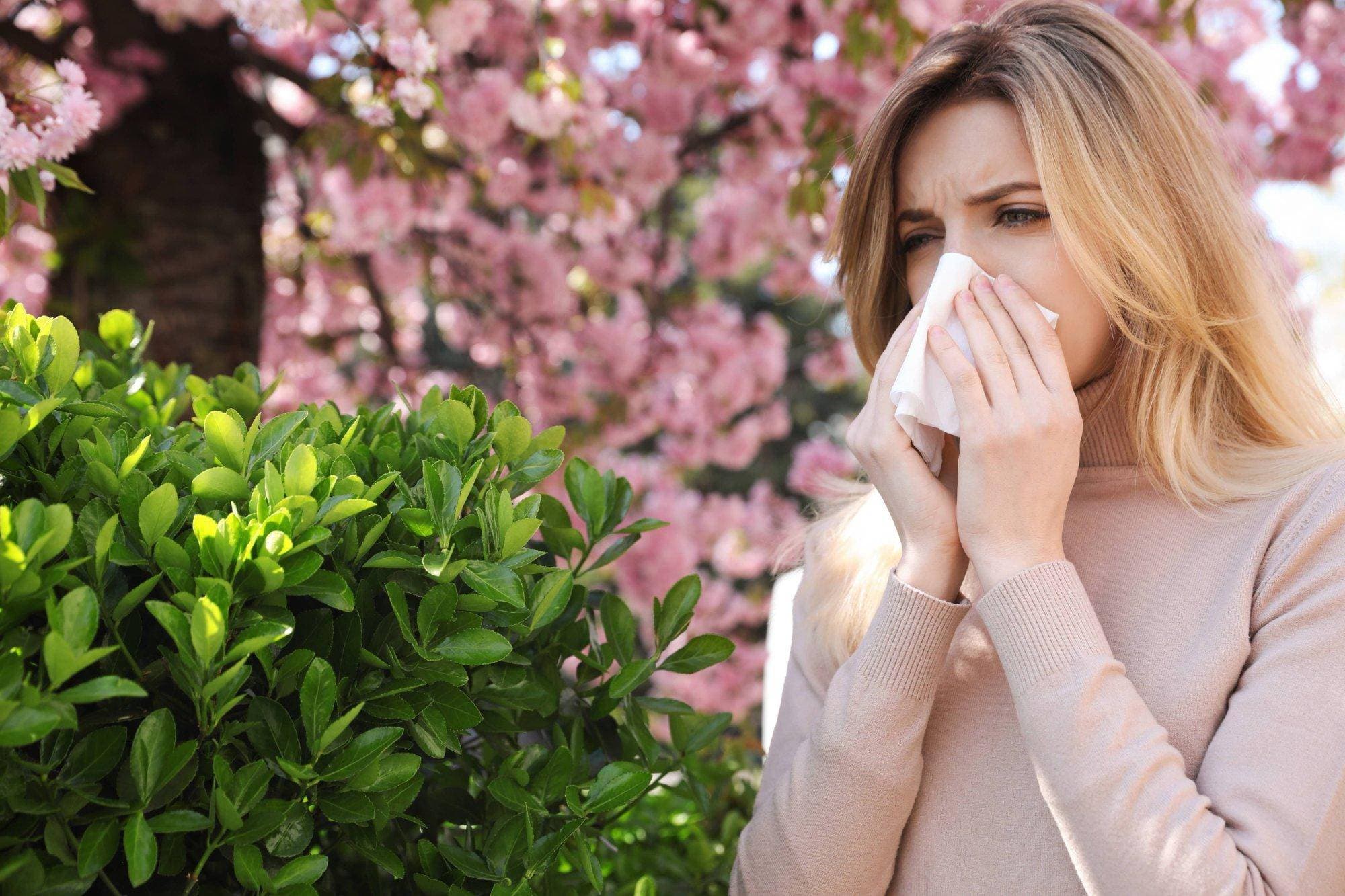
Do you notice a change in your hearing during certain times of year? It may be due to seasonal allergies, which can cause inner ear inflammation that makes sound appear muffled. Luckily, it’s manageable if you take proactive measures to reduce your exposure to allergens.
Why Do Seasonal Allergies Cause Hearing Loss?
Your body produces a chemical called histamine as an immune response to allergens, which are any substances that cause an allergic reaction, like plant pollen, mold spores, animal dander and dust mites.
Histamine activates your body’s inflammatory response, resulting in itchiness, nasal congestion, fluid buildup and increased earwax production. Allergies can affect your outer, middle and inner ear, resulting in conductive hearing loss that goes away over time.
Common Hearing-Related Symptoms of Seasonal Allergies
Dermatitis: You may experience irritation in and around your outer ear when allergens settle on your skin. They also get into your ear canal, causing it to swell and close up.
Swelling: Because your body identifies allergens as a threat, it releases inflammatory mediators that open your blood vessels and allow more fluid into your cells to protect your tissues. That is the primary cause of conductive hearing loss.
Fluid drainage: The Eustachian tube in your middle ear may not be able to drain fluid buildup as effectively if you have allergies. That can leave your ears and sinuses feeling plugged.
Vertigo: Inflammation affects your ears’ ability to regulate fluid and pressure, which can lead to dizziness and a sense of imbalance.
Tinnitus: Inflammation and fluid retention can dampen the vibrations in your eardrum. That negatively impacts your ear’s ability to process sound, which could result in ringing or buzzing. Histamines also alter blood flow to your inner ear, increasing your risk of tinnitus.
Tips for Managing Hearing Loss During Allergy Season
Non-Hearing Aid Wearers
Whether you have hearing loss or not, you may notice a decline in hearing capabilities during allergy season. You can manage your symptoms with the following practices:
- Identify your triggers and take steps to reduce your exposure.
- Ask your doctor about taking an antihistamine to combat allergic reactions.
- Check the forecast daily to monitor pollen count.
- Wash your hands and face after you’ve been outdoors to eliminate allergens on your skin.
- Replace HVAC filters to manage airborne pathogens.
Hearing Aid Wearers
If you wear hearing aids, it’s important to be aware that airborne allergens can clog the microphone ports and wax guards. Fortunately, those issues are easily preventable by maintaining the cleanliness of your devices.
Here are some tips to help you maintain your hearing loss:
- Use a wax pick or bristle brush to gently remove debris and wax.
- Take a clean, dry cloth and wipe the surface of your hearing aids to remove allergens. Never use harsh chemicals, as you could damage your devices.
- Replace hearing aid domes if they’re discolored or show signs of visible wear.
- Place your hearing aids in a device dryer or dehumidifying kit to eliminate trapped moisture.
- Wipe your devices after you’ve been outside.
- Seek professional assistance for a thorough cleaning.
Manage Your Hearing Health During Allergy Season
With allergy season approaching, the team at Hearing Associates wants to help you maintain optimal hearing while dealing with sniffles and sneezes. If you need assistance with hearing loss, tips for hearing aid maintenance or help managing tinnitus symptoms, call us at 888-760-2032 or schedule an appointment online.