

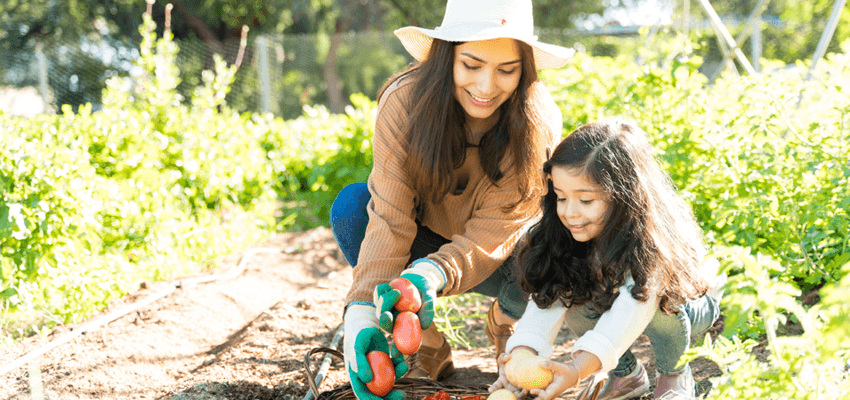
Growing Your Way to Better Hearing Health Starts Here
Nothing says springtime like seedlings and fresh compost for a bountiful new season in the garden. Planning your homegrown fruits and vegetables? We’re sharing five yard-to-table superstars to support healthy hearing and balance.
Growing for Good Health
Healthy hearing begins long before sound reaches your ears. It might start with what’s on your plate or what’s in your garden. Nutrients that support healthy circulation, nerve function, and cell repair may also help the inner ear translate vibration into sound and play a role in keeping you steady on your feet.
Gardening brings an added benefit: a connection that encourages movement, mindfulness, and stress relief. The plants below aren’t just beautiful additions to your yard; they’re edible investments in ear or balance health.
A diet rich in antioxidants and minerals can guard delicate hair cells in the inner ear from oxidative stress, a leading factor in hearing loss and tinnitus. Magnesium, potassium, zinc, and folate all play key roles in maintaining hearing and vestibular (balance) function, making plant-based sources especially valuable to grow and enjoy fresh.
Enjoying Key Favorites
Blueberries
Who can resist a batch of berries just waiting to jump into a smoothie, pie, or stack of pancakes? Songbirds love to snack on them, too.
Blueberries offer manganese, fiber, vitamin K, and vitamin C, the latter of which, when combined with magnesium and vitamins A and E, may help thwart noise-induced hearing loss, according to research.
Try This: Simple Blueberry Smoothie
- 1 cup rinsed, stemmed blueberries from the garden
- 2 cups dairy, rice, soy, or almond milk, your choice
- ½ teaspoon cinnamon
- ¼ teaspoon allspice
- 3 ice cubes
- Sprig of lavender
Mix first 5 ingredients in blender until smooth. Garnish with lavender, and enjoy. Makes about 2 servings.
Kale
The always-reliable kale’s versatility — use it solo or in soups, salads, lasagna, and more — is matched only by its hardiness. This timeless leafy green includes folate, which, when ingested frequently, may help reduce the risk of hearing loss in older men, says a study.
Pumpkins
Direct-sow this favorite no earlier than late May for summer or fall harvesting. Freshly collected pumpkin seeds are rich in zinc, which supports the immune system and, in an oral-medication form, might help improve tinnitus, per a report.
Tomatoes
The tomato, a garden staple, has earned its place as a fruit to cultivate. It’s rich in a wealth of nutrients, including potassium, an important mineral for regulating blood and tissue fluid levels — including in the inner ear, which plays an important role in hearing and balance.
Asparagus
This vegetable can take time and patience to cultivate; a few years may pass before the first harvest. But it’s sure worth the wait! It’s delicious, offers an opportunity to grow a prized veggie that can be a little expensive at the store, and provides another source of folate, discussed above.
Some of the foods listed here may also help keep you steady on your feet. According to research involving older adults, nutrients like potassium, folate, and antioxidants — found in tomatoes, kale, and blueberries — support the inner ear’s balance system by reducing inflammation and oxidative stress that can impair vestibular function.
Gleaning Great Garden Tips
Healthy soil builds healthy plants, and healthy plants build healthy people. Start by feeding the ground that feeds you: mix in compost, rotate crops each season, and, when possible, choose organic fertilizers rich in trace minerals. Good soil nutrition translates into nutrient-dense produce, exactly what your ears, nerves, and balance systems need most.
Watering habits matter, too. Deep, consistent watering encourages strong root growth and resilient plants, while overwatering can lead to rot and nutrient loss. Morning is the best time to water, giving leaves a chance to dry and stemming the threat of evaporation from heat. Top-dressing planting beds with a natural mulch helps further retain moisture and regulate soil temperature.
When planning your garden, decide early whether to start from seed or acquire young plants — also called “starts” — from a nursery, neighbors, or friends. Both have their benefits:
- Seeds offer more variety, lower cost, and the satisfaction of cultivating food from the absolute beginning of its life.
- Starts save time, reduce early-season risk, and can yield faster harvests.
Many gardeners combine both approaches, seeding long-season crops like tomatoes while buying quick growers like herbs or greens.
Finally, think diversity. Plant a mix of colors, textures, and blooming times to attract pollinators and create a thriving ecosystem. Companion planting, such as planting bean crops with the corn or tomatoes with the basil, may aid in production, soil health, or stress response. The richer your garden’s variety, the more nourishing its harvest will be.
Common Questions About Nutrition and Hearing Health
Q: Can what I eat really affect my hearing?
Yes. The inner ear depends on steady blood flow and nutrient delivery to function properly. Diets rich in antioxidants, minerals, and healthy fats help protect those delicate cells from oxidative stress, the same process linked to age-related hearing loss and tinnitus.
Q: Are there specific vitamins that support ear health?
Several nutrients have been studied for their ear-friendly benefits, including magnesium, potassium, zinc, and folate. These help regulate inner-ear fluid, nerve signaling, and inflammation. A balanced diet with plenty of fruits, vegetables, nuts, and seeds helps cover these bases naturally.
Q: Can certain foods make tinnitus worse?
Yes, for some people. Too much sodium, caffeine, or alcohol can increase inner-ear fluid pressure or trigger dehydration, both of which may aggravate ringing in the ears. Tracking your diet and symptoms and working with your health care provider can help you identify personal triggers and make small, potentially effective adjustments.
Q: How does hydration play a role in balance?
The inner ear relies on fluid movement to sense motion and maintain equilibrium. Dehydration can alter this balance, leading to dizziness or unsteadiness. Staying well hydrated, especially in hot weather or during physical activity, helps support your vestibular system and overall ear health.
Q: Is it better to take supplements or eat whole foods?
Whole foods come with a powerful mix of vitamins, minerals, and phytonutrients that can work together effectively. Supplements may help fill gaps — be sure to first check with your provider — but they’re not a substitute for a healthy diet. Whenever possible, grow or choose fresh produce for the biggest impact on hearing and balance.
Tending your garden isn’t just good for your taste buds. It’s good for your ears, your balance, and your overall well-being. Just as you nurture seedlings for a strong harvest, you can nourish your hearing and vestibular health with the right foods and lifestyle choices.
Start small:
- Plant a few ear-friendly vegetables
- Enjoy them fresh from your garden
- Share the bounty when possible
- Take stock of your lessons and successes
- Build on your experience for the future
Have a gardening tip to share? Want to learn more about eating for healthy hearing? We love sharing healthful ideas that you can use. Contact us today!