

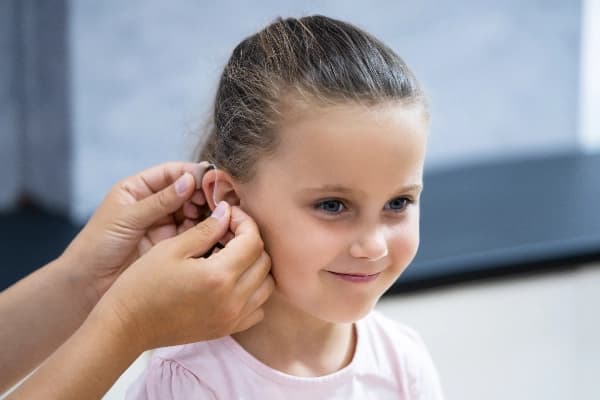
Imagine learning how to interact with your surroundings without being able to hear. Suddenly, you have these things that go in your ears, and you’re overwhelmed by a world of stimulation you didn’t know you were missing. On top of that, you’re still working on communicating with others and growing.
Those are common experiences for children wearing hearing aids for the first time.
It can be a shock to the system, so preparing for the adjustment period can help your child enjoy using their hearing aids.
Why Children Struggle to Adjust to Hearing Aids
As with anyone who lives with hearing loss, your child likely learned to adapt to the lack of sound stimulation by:
- Avoiding socializing
- Pretending to understand
- Relying on visual cues
- Depending on a listening partner
Breaking those habits can be difficult and scary for your little one, especially as they learn to listen at the same time. You may notice your child shuts down or acts out because they’re frustrated or intimidated. And getting used to technology is another challenge.
That’s why patience is essential — it helps your child understand their feelings are normal and temporary.
Practical Tips to Help Your Child
Build Up Wear Time
Depending on your child’s comfort level, start by wearing hearing aids for just a few minutes each day. Their auditory system needs time to adapt to increased sound stimulation, and it will also take time for them to get used to the physical presence of their hearing aids.
Start with 10- to 15-minute sessions while your child is doing something they love, like playing with toys or doing arts and crafts. Increase the duration based on their input and only expand use to more challenging acoustic environments once they’re comfortable wearing them in quiet settings.
Create a Daily Routine
Learning that wearing hearing aids is part of their daily routine, rather than a distraction, can help your child feel more comfortable wearing them. Set a schedule for when they should put them in, such as when they’re getting dressed or after they brush their teeth. Doing so helps your son or daughter form a habit that won’t disrupt play or activity. Consistency makes the task feel less daunting when it’s just another step in getting ready for the day.
Use Positive Reinforcement and Rewards
Rewarding your child for wearing their hearing aids shows them it can be a positive experience. Positive reinforcement makes the process less of a chore and more of an engaging activity they may even look forward to. Give them their favorite toy after they’ve worn their devices or create a sticker chart to track their success. Affirm their hard work with words of affirmation to help them understand how well they’re doing.
Make It Fun
Getting used to hearing aids doesn’t have to be all work and no play. Turning your child’s devices into stylish accessories can make them more appealing. Pediatric hearing aids come in a variety of colors, allowing your son or daughter to choose the shade that suits their personality. You can also add charms and stickers for extra flair. And dressing up their stuffed animals or dolls with their hearing aids can normalize their experience.
Address Comfort Issues Early
If your child’s devices don’t feel right, they won’t want to wear them. Encourage them to tell you if anything is uncomfortable right away to avoid any negative experiences.
Here are some tips to remember:
- Warm up earmolds in your hand before inserting them into your child’s ear.
- Gently pull their earlobe down and back to straighten the ear canal.
- Rotate the earmold backward once it’s in your child’s ear canal.
If your child struggles to keep their devices in place, retention clips and headbands can help them sit snugly during play and activity. Your child is still growing, so you may need to have their earmolds resized at the audiologist’s office periodically.
Get Support from Teachers and Peers
Working with your child’s teachers can help you identify and address obstacles to their education and growth. Enlisting their help also lets you set clear expectations for hearing aid use at school. Siblings and friends can lend a hand, too.
Hearing Aids for Children at Hearing Associates
Let the Hearing Associates team guide you and your child on their journey to better hearing so they can focus on being a kid. You’ll leave with the information and support you need to help your child hear well. Our services include extensive testing and hearing aid fittings and adjustments. Contact one of our offices or schedule your appointment online.