

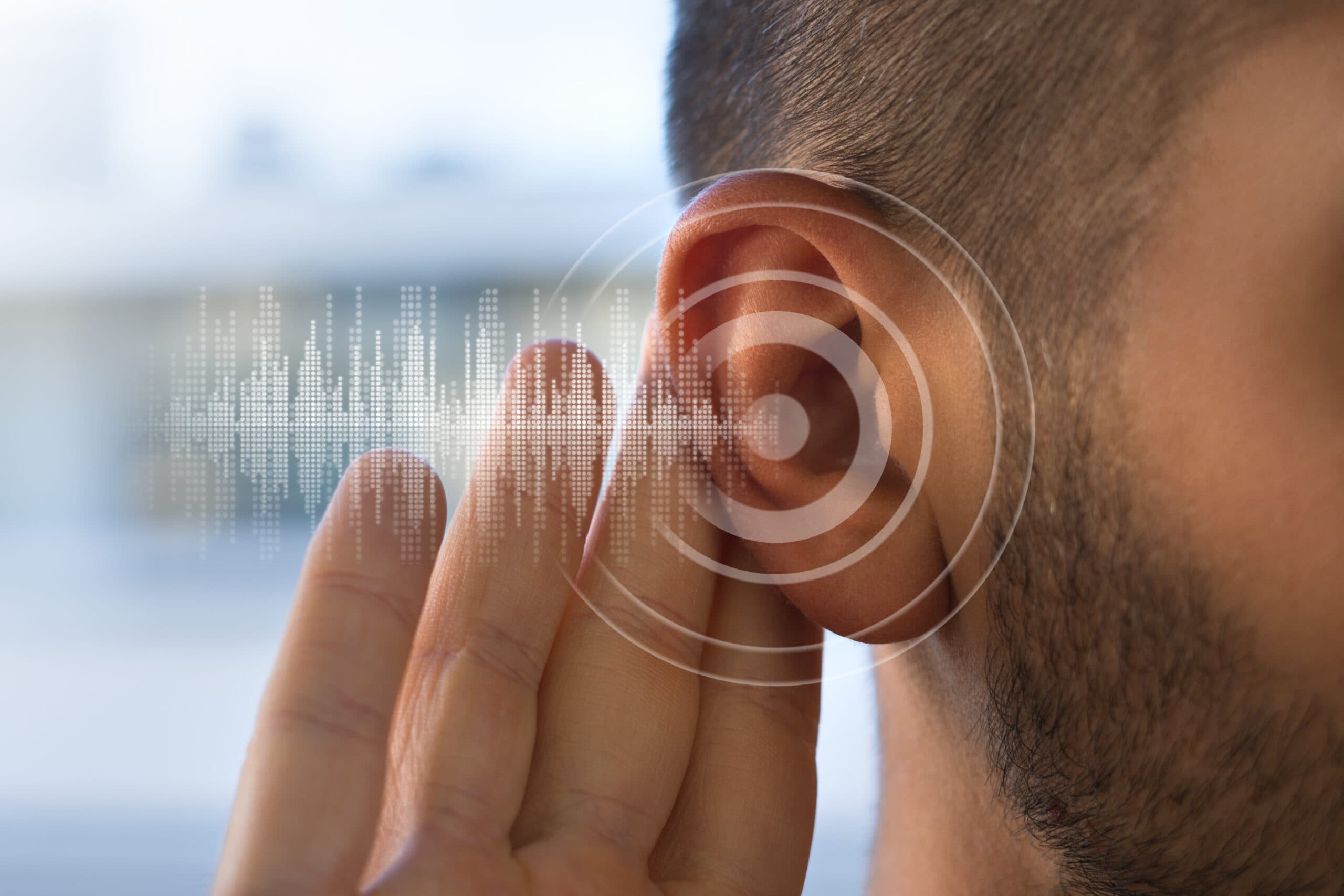
You may have an image in your head of the type of person you think is most likely to develop hearing loss. It’s a common misconception that it’s a problem that only affects older people or those who work in noisy environments.
However, hearing loss is one of the most common chronic conditions, affecting nearly 430 million people around the world. And that includes about 34 million children. The truth is that hearing loss can affect people of all ages due to various environmental and lifestyle factors. Understanding your risk for auditory damage can help you take preventative measures to protect your ears and brain, which actually does the “hearing.”
Age-Related Hearing Loss Factors
Also known as presbycusis, age-related hearing loss can occur if you’re 60 or older. Your auditory system changes over time, so you may not notice it until you’ve sustained significant damage. Your risk for presbycusis can be exacerbated by other factors, such as exposure to loud noise and chronic health conditions.
Symptoms of age-related hearing loss include:
- Trouble understanding conversations, especially in noisy settings
- Frequently asking others to repeat themselves or speak up
- Regularly turning up the volume on your radio, TV or phone
- Difficulty hearing high-pitched sounds
- Fatigue after listening
The gradual decline that can occur with this condition makes it essential to seek hearing treatment as soon as you or your loved ones notice those signs.
Occupational and Environmental Hearing Risks
Your everyday listening environment can present auditory dangers, especially if you work in a field or have a hobby that exposes you to sounds louder than 85 decibels. Common sources include power tools, motorcycles, concerts, car horns, shooting ranges and sporting events. There are certain industries, like construction, manufacturing, agriculture, transportation and aviation can increase your level of exposure.
OSHA standards mandate your employer to provide operational protocols to protect you from unnecessary noise exposure. Hobbies like music, motorsports, shooting and fitness also pose a hazard to your ears. That’s why it’s crucial to wear proper hearing protection whether you’re on the job or enjoying your favorite pastime.
Medical and Genetic Influences on Hearing
Chronic health conditions: Diabetes, high cholesterol and cardiovascular disease affect the blood vessels and nerve function in your inner ear. The hair cells in that area are responsible for converting sound waves to electrical signals for your brain. That’s why it’s important to manage chronic conditions and support consistent blood flow. Infections like meningitis and measles can also damage the delicate structures in your ears.
Genetic predisposition: You may be at an increased risk for hearing loss if your parents or siblings have experienced it. Your genes can affect your susceptibility to noise damage, the rate of age-related hearing loss and the development of your inner ears.
Ototoxic medication: Certain medications can negatively affect your hearing health. Long-term use and high dosages of drugs like antibiotics, chemotherapy drugs, pain medication and antimalarials can result in high-frequency hearing loss and tinnitus. It’s crucial to monitor your symptoms and adjust your dosage if you experience auditory changes.
Lifestyle Factors That Affect Your Hearing
Tobacco use: Smoking cigarettes, vaping and chewing tobacco can reduce blood flow to your ears as those substances restrict blood vessels and increase tissue inflammation. Eliminating tobacco use can benefit your overall health and slow the rate of hearing damage.
Diet: If you eat lots of processed foods, sodium and sugar, your ears could suffer, as that diet contributes to poor cardiovascular health. Eating fruits and vegetables that are rich in vitamins and antioxidants helps your body combat oxidative stress that’s linked to hearing loss. Hearing-friendly foods include fatty fish, leafy greens, bananas, nuts and seeds and berries.
Physical activity: A sedentary lifestyle doesn’t promote healthy blood flow and can contribute to cardiovascular issues. Engaging in moderate aerobic exercise a few times a week can reduce your risk of hearing loss.
Alcohol consumption: Excessive drinking can impair your auditory nerve in your inner ears. Even moderate consumption over a long period can result in hearing loss and tinnitus.
Manage Your Hearing Loss Risk with Audiology Services
While anyone can be at risk for hearing loss, there are a wide variety of services and products available to help you protect yourself from unnecessary damage. Hearing Associates will work with you to assess your hearing health, identify risk factors and recommend treatment and lifestyle changes to mitigate them. Contact us to learn more and schedule your appointment.